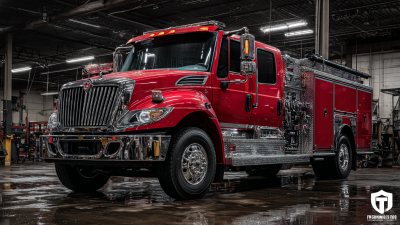
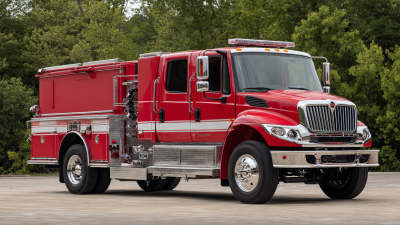
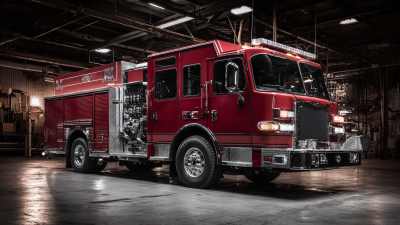
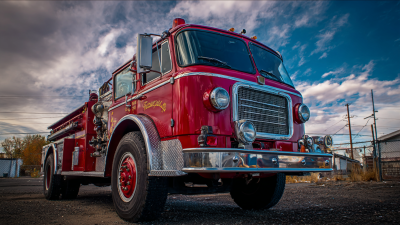
Getting a good grip on the essential parts of fire trucks is pretty important when it comes to keeping both firefighters and folks safe, not to mention making sure everything runs smoothly. Looking ahead to 2026, it’s exciting to think about how these parts will get some much-needed upgrades. Every piece, from the pumps to the hoses, really matters. Think about it: a powerful pump can make all the difference in getting water where it’s needed fast, especially in critical moments. And those hoses? They’ve gotta handle some serious heat and pressure without giving in.
What’s also pretty cool is how smart tech is starting to show up in these Fire Truck Parts. It’s like giving them a bit of a brain to respond quicker and smarter during emergencies. Of course, this kind of high-tech stuff means we’re moving away from old-school designs and wondering—can we trust these new systems? It’s all about making sure everything stays safe and reliable.
We shouldn’t forget the lessons from the past either. Some fire trucks had issues because they used outdated parts, which isn’t ideal in life-or-death situations. Fire crews really need to keep an eye on these upgrades and make sure their gear stays up-to-date. Updating equipment isn’t just a nice-to-have—it’s a must if we want to handle today’s challenges. Overall, embracing new innovations in fire truck parts isn’t just about keeping up; it’s about saving lives when it really counts.
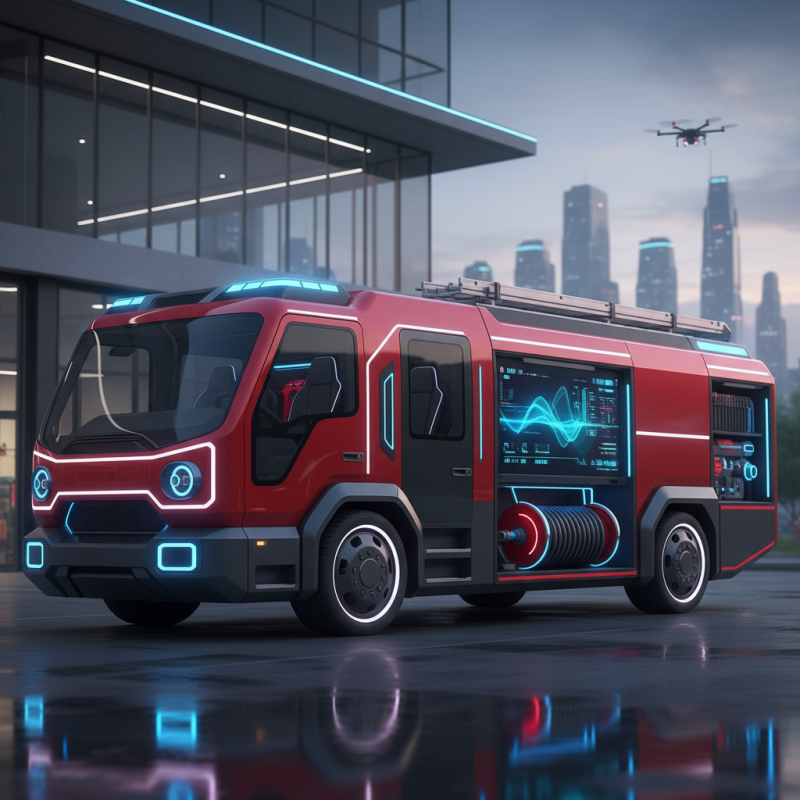
Essential Fire Truck Components for 2026
When discussing essential fire truck components for 2026, various factors come into play. The National Fire Protection Association (NFPA) states that over 35,000 fire departments across the U.S. rely on modernized equipment. Each component must enhance performance and safety.
The pump system remains critical. NFPA reports indicate that a reliable pump features a capacity of at least 1,500 gallons per minute. This facilitates faster water delivery in emergencies. Coupled with advanced foam systems, fire trucks can tackle various incidents efficiently. However, many older models still use outdated pumps that hinder response times.
Moreover, communication technology plays a vital role in today’s fire fighting. Enhanced communication systems integrate real-time data. This allows firefighters to coordinate better on-site. However, some departments still struggle with outdated communication tools, affecting coordination quality. Fire trucks of 2026 should embrace robust technology to connect crews effectively and improve overall safety measures during operations.
Understanding Fire Pump Systems and Their Importance
Fire pump systems are critical components of fire trucks. They work as the heart of firefighting operations. A fire truck without a reliable pump is like a ship without a rudder. The pump allows firefighters to deliver water effectively to extinguish fires.
Understanding how these systems operate is essential for safety and efficiency. Fire pumps should be powerful and reliable. They can be rotary gear pumps or centrifugal pumps, each with unique features. The choice affects the fire truck's performance in emergencies. Regular maintenance is crucial. Neglecting this can lead to malfunction during critical moments.
The connection between the pump and hoses must be secure. Leaks can reduce pressure and hinder firefighting efforts. Firefighters need to inspect these connections regularly. This seems simple, yet many overlook it. Having the right tools on hand for troubleshooting is also vital. It can save precious time in an emergency. Being aware of these details can make a significant difference in saving lives.
Essential Fire Truck Parts You Need to Know for 2026
The chart above illustrates the importance ratings for essential fire truck parts needed for effective operation in 2026. Each component is rated on a scale of 1 to 10, highlighting the critical role they play in firefighting capabilities.
Key Safety Equipment Found on Modern Fire Trucks
Fire trucks are equipped with various vital safety equipment designed for modern firefighting. These components work together to protect firefighters and the public. For example, the pump system is crucial. Firefighters rely on it to deliver water at high pressure. Without efficient pumps, a fire may spread uncontrollably.
Moreover, modern fire trucks often include advanced communication tools. These systems help firefighters stay in contact during operations. Clear communication can make a big difference in emergency situations. And then, there are thermal imaging cameras. These devices allow firefighters to see through smoke. However, not all trucks may carry this technology, leading to potential hazards.
In addition, fire trucks are equipped with hydraulic rescue tools. These tools are essential for extricating victims from vehicles. Despite their importance, some departments may face budget constraints. This can affect the tools available. Each aspect of a fire truck plays a role in ensuring safety. It's a continuous process of improving and adapting to new challenges.
Advanced Technology Integrations in Fire Truck Design
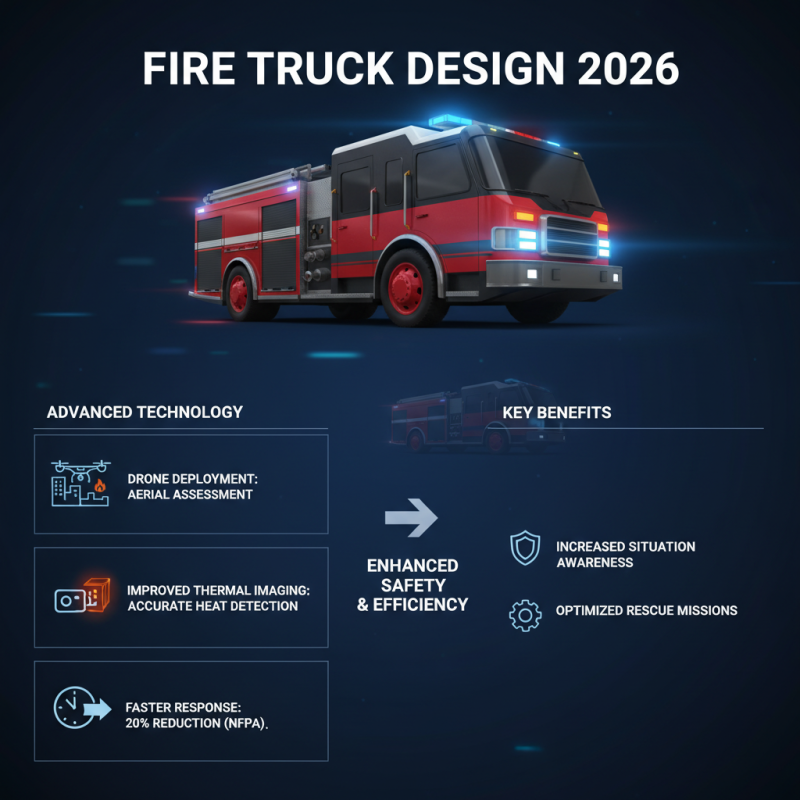
In 2026, fire truck design will embrace advanced technology integrations that enhance safety and efficiency. Innovative features like drone deployment systems will allow firefighters to assess situations from the sky. The National Fire Protection Association (NFPA) reports that incorporating technology could reduce response times by 20%. Fire trucks with improved thermal imaging cameras can detect heat signatures more accurately, helping prioritize rescue missions.
As we look forward, it's crucial to reflect on existing challenges. The integration of advanced tech often hinges on training. The NFPA emphasizes ongoing education to ensure firefighters can utilize these tools effectively. Departments should consider regular workshops focused on new tech deployment.
**Tip:** Engage your team in hands-on training exercises. This will build comfort and familiarity with new equipment.
Moreover, data analytics will reshape fire prevention strategies. Real-time data from sensors can predict fire risks based on weather patterns and community activities. However, relying too heavily on technology can overshadow basic firefighting skills. Balancing modern tools with traditional practices ensures a well-rounded approach.
**Tip:** Regularly evaluate technology’s effectiveness. Gather feedback to refine processes and address any gaps in training or usage.
Maintenance Essentials for Fire Truck Operation
Maintaining fire trucks is crucial for effective operations. Regular inspections can prevent mechanical failures. According to the National Fire Protection Association (NFPA), up to 90% of fire truck failures are linked to maintenance issues. This statistic highlights the importance of routine checks.
Key components warrant close attention. The water pump must work properly. If it fails, firefighters can be put at risk. Additionally, checking hoses for wear and tear is essential. A damaged hose can lead to leaks and reduced water flow. Frequency of checks should be increased during busy seasons.
Trucks also need reliable electrical systems. Faulty wiring can cause significant delays. In fact, studies show that up to 30% of incidents stem from electrical failures. Fire departments should prioritize training personnel in maintenance best practices. Negligence could result in dire consequences. Regular maintenance saves lives.
The Role of Water Tanks in Firefighting Efficiency
Water tanks are vital components in firefighting operations. They provide the necessary water supply for extinguishing fires quickly. Firefighting units typically carry tanks that hold between 500 to 3,000 gallons of water. The right size can significantly impact firefighting efficiency. Research indicates that a larger water reservoir can enable firefighters to work more effectively on scenes without delays.
In many cases, water supply can be a crucial factor. For instance, a report revealed that 73% of fire incidents escalated due to inadequate water access. This suggests that improper tank capacity leads to slow response times. Firefighters often have to draw water from distant sources, wasting precious minutes. It is essential to assess the needs based on local fire risk and hydrant placements.
Moreover, the integration of modern technology with water tanks cannot be overlooked. Automated monitoring systems can optimize water levels. However, the challenge lies in ensuring regular maintenance. Tanks can corrode or develop leaks. This maintenance is critical to prevent failures during emergencies. Neglecting tank upkeep can undermine the entire firefighting operation. Understanding these dynamics is key to enhancing firefighting readiness for 2026 and beyond.
Future Innovations in Fire Truck Parts and Equipment
As we look toward 2026, fire truck innovations are taking center stage. Enhanced materials and advanced technologies are being explored. Lightweight composites serve as one example, improving maneuverability and fuel efficiency. Electric and hybrid engines are also on the rise, offering cleaner alternatives for urban environments. These innovations pave the way for a greener future in firefighting.
The design of fire trucks is evolving too. Smart technology is integrated into vehicle systems. Sensor-based equipment can detect hazards in real-time. This allows firefighters to respond more effectively. However, such advancements may require extensive training. Are firefighters prepared for this shift?
Moreover, communication systems are gaining importance. Improved radios and visual displays can reduce response times. Yet, there's a need for better standardization. Not all departments have access to the latest tech. This creates disparities in how effectively they can respond to emergencies. Addressing these gaps is crucial for a cohesive firefighting strategy in 2026.
Essential Fire Truck Parts You Need to Know for 2026
| Part Name | Description | Expected Innovations | Importance in 2026 |
| Water Pump | The core component for firefighting, delivering high pressure water to hoses. | Smart monitoring systems for efficiency and maintenance alerts. | Critical for effective firefighting operations. |
| Aerial Platform | Used for high-rise firefighting and rescue operations. | Enhanced stability control and automated positioning features. | Essential for urban firefighting situations. |
| Chassis | The frame that supports all other truck components. | Lightweight composite materials for better fuel efficiency. | Foundational for truck performance and safety. |
| Control Panel | Interface for firefighters to control equipment and vehicle functions. | Touchscreen with AI capabilities for user-friendly navigation. | Vital for operational efficiency in emergencies. |
| Lighting System | Essential for visibility during night operations. | LED technology with adaptive brightness control. | Key for safety and operational effectiveness. |
Exploring the 2019-2024 Trends and Specifications of Sinotruk HOWO Nx 371HP and Sino Hohan 400HP Trucks in the Global Heavy-Duty Truck Market
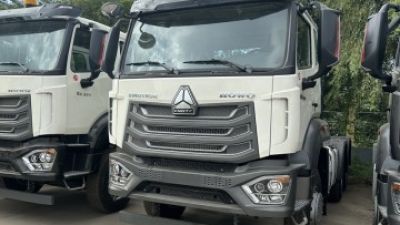
The global heavy-duty truck market has witnessed significant developments between 2019 and 2024, particularly with the introduction of advanced models such as the HOWO Nx 371HP and Sino Hohan 400HP. These vehicles are designed to meet diverse operational demands, providing exceptional power and efficiency. The HOWO Nx 371HP, featuring a robust Euro2 and Euro3 engine producing 371 horsepower, stands out for its impressive performance across various terrains. With an emphasis on fuel efficiency and high reliability, this model is poised to compete effectively in the heavy-duty segment.
In terms of specifications, the HOWO N7 6X4 tractor exemplifies cutting-edge engineering with its HW19712 transmission that includes 12 forward gears and 2 reverse gears, enabling smooth handling in diverse driving conditions. Its front axle capacity of 9500 kg and double-rear axle configuration, allowing for 32,000 kg of load, underscores its strength and reliability. Coupled with a Bosch steering system and durable 12R22.5 tires, the vehicle ensures a stable and comfortable driving experience. The lightweight design, along with a well-structured cab, highlights user comfort while providing ample space for long hauls. These attributes collectively position both models as formidable players in the evolving landscape of heavy-duty trucking.
FAQS
: A healthy diet boosts energy and improves overall well-being. It helps maintain a healthy weight and prevents diseases.
Begin by incorporating fruits and vegetables into your meals. Gradually reduce processed foods and sugary drinks.
Yes, regular exercise is crucial. It enhances heart health and can improve mood. Aim for at least 30 minutes a day.
Acknowledge your cravings. Try healthier alternatives or practice moderation. Allow yourself occasional treats to avoid guilt.
Set realistic goals and track your progress. Surround yourself with supportive people and remind yourself of your reasons.
Yes, strict dieting can lead to nutrient deficiencies and unhealthy habits. Balance and moderation are key for sustainability.
Many think healthy foods must be expensive. However, affordable options like beans and seasonal produce exist.
Plan your meals and prep ingredients in advance. Use simple recipes and focus on whole foods.
Absolutely. It's okay to enjoy favorites in moderation. Balance is important for long-term success.
Identify specific challenges. Seek solutions, like meal planning or learning quick recipes. Reflect on what works for you.
Conclusion
The article "Essential Fire Truck Parts You Need to Know for 2026" delves into the critical components that are shaping the future of fire truck design and functionality. It highlights the importance of fire pump systems, which are essential for effective firefighting operations, and discusses the key safety equipment that modern fire trucks must be equipped with to protect both firefighters and civilians.
Additionally, the article explores advanced technology integrations that are enhancing the efficiency and reliability of fire trucks, alongside the crucial role of water tanks in ensuring successful firefighting efforts. Maintenance essentials for fire truck operation are also covered, emphasizing the need for regular upkeep to ensure readiness. Finally, it touches on future innovations in fire truck parts and equipment, indicating a movement towards even greater advancements in the firefighting industry.